I've been thinking about this quite a bit, especially as coaching becomes an increasingly popular profession.
There are plenty of people out there with beautiful frameworks, impressive-sounding methodologies that alliterate or form a cute word, and very confident promises about what they can do for you. Some have years of experience and are indeed probably pretty good. Some have built their own “systems”. Some though, have simply decided that they will call themselves a “coach” and run with it.
but how do you, as a client, know what you’re actually getting?
That is why globally-recognised coaching standards exist, and why I take them seriously.
There are a couple of international coaching standards - the largest and most well-known (and the one I trained with) being the International Coaching Federation (ICF). There are other well-known coaching bodies as well, such as the International Association of Coaching (IAC), and the European Mentoring and Coaching Council (EMCC).
The ICF provides a recognised, robust framework for coaching competencies, ethics and professional conduct. It gives coaches a common foundation to work from, rather than simply relying on personal beliefs, intuition or a framework they've developed themselves (or with their AI assistant).
These core competencies are regularly maintained and updated to reflect the ever-changing coaching landscape. These are the “gold standard”, meant to help coaches around the world co-create real and meaningful change in their clients’ lives.
caveat:
It doesn't mean every ICF-trained coach is automatically excellent, or that every coach without an ICF credential is bad. But it does give clients something tangible: a recognised set of standards against which a coach's training and practice can be assessed.
But what I do think is that it’s particularly important in adjacent industries like image coaching, personal branding coaching, and even in dating coaching - because the distinction between coaching and simply giving advice based on what you think can get quite blurry. I was a professional image consultant before, and I would have never dared to call myself a dating coach then, without some sort of training and credential I can rely on.
some transparency on my end:
I’m not fully ICF-credentialed yet! I’m more than halfway through the 100 hours (yes, a hundred) of coaching experience required, with an exam and assessment still ahead of me.
I’m working towards it because I want the experience, training and accountability that come with the process, not just the letters after my name.
The feedback and reviews I share come from real clients and fellow coaches who understand the standards I'm working towards and hold themselves to those same standards.
conclusion
Coaching and coaches sometimes get a bad reputation - but that’s exactly what international standards strive to address.
If you’re going to invest in a coach, you should know what sits behind the person coaching you. Your life is too important to leave it to chance.
about the author
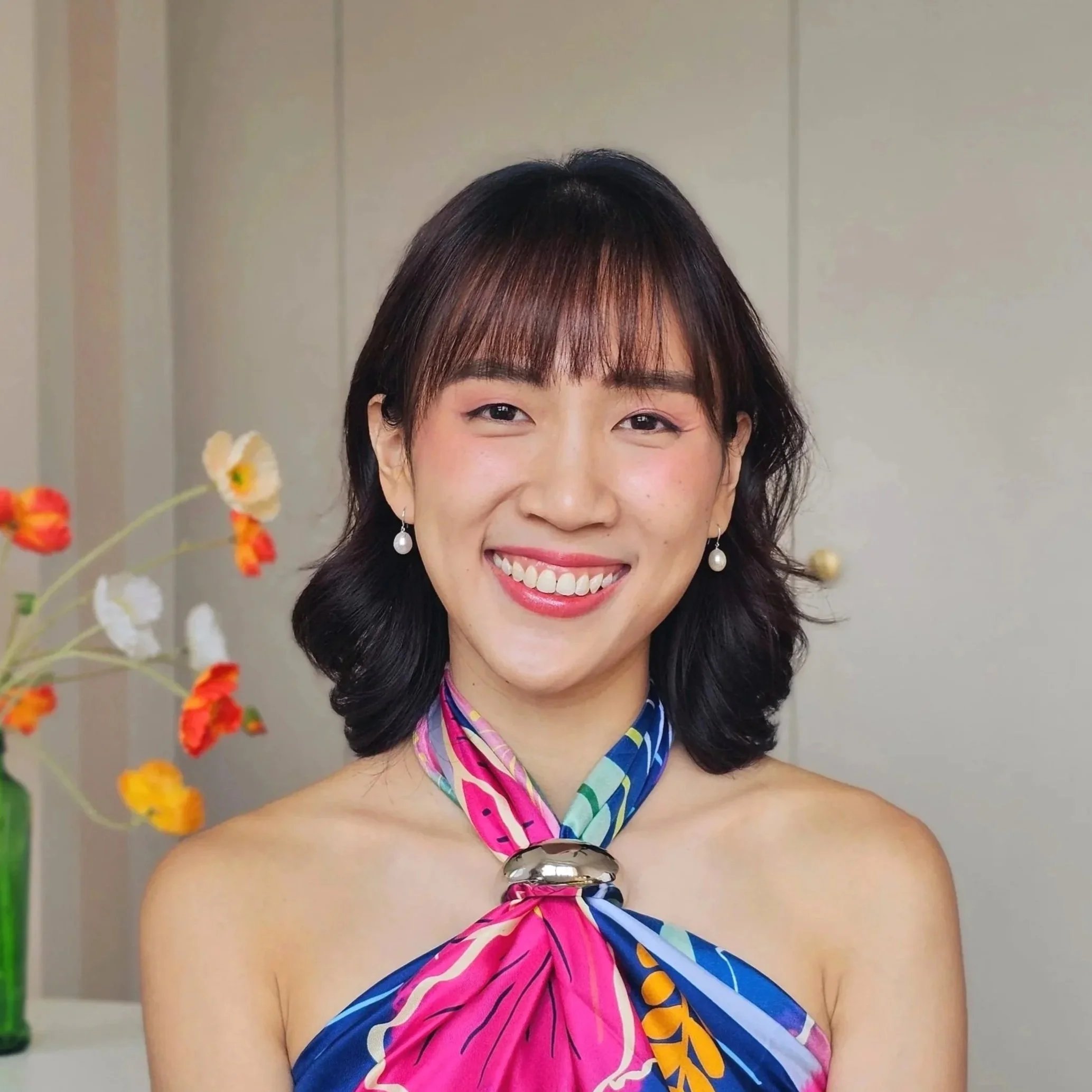
I'm Wan Ting, founder of portmanteau, a dating coach for men in Singapore and your personal wingwoman.
I work with good men like you so you can stop dating and start building the life you actually want.